04.11.2026
10 min read
By Fran Johnson in SEO, Brand strategy
Why the overlap between brand and SEO matters more in AI search
SEO, brand, and design are often treated as separate disciplines, but customers don’t experience them in silos. Search results, reviews, AI-generated answers, and a brand’s own website all shape how people understand and trust a business.
As AI changes how people search, focusing solely on on-site branding and SEO is no longer enough. Businesses have to consider the full picture of how they appear across the web.
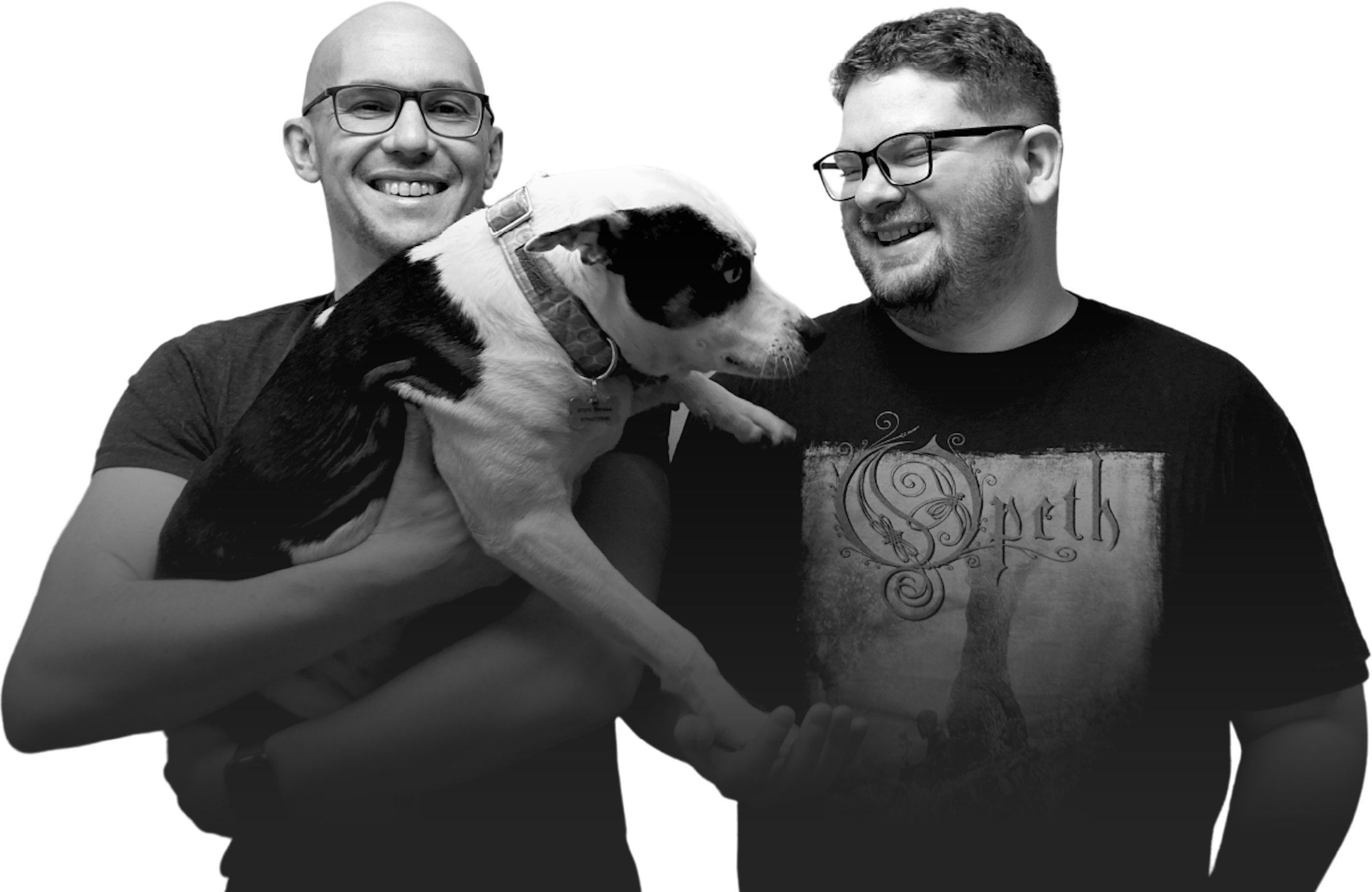
In an episode of Search with Candour, our Principal SEO Consultant Brendan Bennett and Design Lead Mark Salisbury explored where search optimisation, design, and brand come together in the age of AI and why that crossover matters.
This article covers:

01
AI’s influence on where brand and SEO meet
A brand has always been more than a logo, colour palette, or tone of voice guidelines. It is the overall impression people form through every interaction with a business.
Those interactions rarely start on your homepage or even your company’s own channels. Someone might see a brand in search, read reviews, find a comparison on Reddit, ask an AI assistant for recommendations and only then visit your website. Each touchpoint adds to their understanding of what a business is and who it is for.
Mark Salisbury“Every interaction with your brand adds to or detracts from the impression people form of it.”
AI has made this harder to ignore. Because it synthesises information from across the web into a single answer, the way a business is perceived by its audience is shaped by far more than the content it directly controls, including its own website. Brendan says: “How you present your site, and yourself across your wider digital footprint, influences how an LLM describes you to customers.”
This is where the idea of 'brand versus SEO' falls apart. Brand establishes what a business stands for, who it is for, and how it wants to be understood. SEO makes that message visible when people search, while highlighting where customers need clarity or reassurance. Neither discipline works in isolation.
02
A brand’s digital footprint shapes how it is understood
When someone asks an AI tool whether a business is trustworthy, the model won’t just take your marketing claims at face value. It pulls from third-party reviews, press coverage, forum discussions, competitor comparisons and your own site data.
That doesn’t mean every business needs to be present everywhere. However, organisations should monitor off-site discussions, third-party recommendations and whether these accurately reflect how they want to be understood.
As Brendan points out, search data is especially useful here. Searches such as '[brand] reviews', '[brand] alternatives', or 'is [brand] legitimate?' highlight the questions customers are already asking.
Brendan Bennett“The search results can be a massive mine of information. Are there people searching for things that indicate they don’t understand your brand? Are they indicating that they don’t trust the brand?”
Publishing a self-serving FAQ page or a blog post claiming you are the market leader will not fix a trust deficit. A business stating that it is trustworthy is not the same as demonstrating why it should be trusted. The stronger response is verifiable proof through customer stories, straightforward service details, visible accreditations, and independent recommendations.
This is also where digital PR plays its role. Relevant third-party coverage builds brand credibility while giving people independent sources to find when researching a business through Google or an LLM.
03
Credibility must be reflected on-site
AI search places enormous weight on off-site reputation, but this isn’t to say a brand’s own website isn’t important. AI may be the first place someone encounters a business, but an effective site remains essential.
Mark uses booking a holiday as an example. AI might help someone narrow down their hotel or flight options, but it is unlikely to be the first and last step in their decision-making process.
Before committing to an expensive purchase, a customer might visit the business’s website, read reviews and look more closely at what is on offer. They will want to understand what the business does, how it works and whether it feels credible.
That is where the website still matters. A site full of low-effort AI content, with little information about the business or the people behind it, makes a potential customer question legitimacy. Even the right accreditations may not be enough if a brand’s website does not feel like it belongs to a real, established business.
Mark Salisbury“AI can make the first part of the decision easier, but it cannot replace the reassurance people get from looking at a business properly for themselves.”
Original photography, useful case studies, clear messaging and visible expertise can all make a business feel more real. Good website design and build work should help a company communicate those things and back up the trust that has hopefully been gained off-site.
This is particularly important as AI makes it easier to create content and websites quickly. When material is generated without clear direction, the resulting site often feels generic and disconnected from the business behind it.
04
Balancing brand identity and search visibility
SEO and brand priorities can sometimes pull content in different directions. A brand team may want a headline that creates a feeling, while an SEO will advocate for one that tells people, search engines and AI exactly what the page covers.
Both approaches have value, and balance is achievable. Brendan explains that SEO optimisation doesn’t rule out emotive language, but key signposts across the page, such as the main heading, need to make the subject immediately obvious. This matters even more when AI tools link a new user to specific web pages directly rather than having them go through a homepage first.
Brendan Bennett“There is room for aspirational and emotive language, but search engines are still fairly literal. A page needs to signal what it fundamentally covers. You can keep more aspirational messaging in a tagline or H2, while making the main H1 clear about what the user has landed on.”
The objective is never to strip personality from a website for the sake of search algorithms. It is to ensure that creativity does not obscure clarity. This is especially important when customers are comparing similar options. Clear information helps them understand whether a business meets their needs, while a distinctive brand gives them a reason to remember it.
05
Optimise for the end user, not just for AI
AI plays an increasing role in how people discover, compare, and assess businesses, but websites should not be designed solely for machines.
The same principles a user looks for apply when optimising for AI.
A clear, logical website that works well for people is also easier for AI tools to interpret and use. Straightforward navigation, descriptive headings, accessible content, and clear calls to action improve usability for people while giving AI tools the structure they need to learn information about your brand.
Mark Salisbury“If we build a site that’s clear and logical to use, an AI agent will also be able to use it.”
SEO, brand and design need to work together to achieve this:
SEO identifies what people are looking for and how they arrive
Web design makes that information easy to find, understand and act on
Brand ensures the message feels consistent and recognisable
Summary
06
It shouldn’t be ‘brand versus SEO’
AI is changing how businesses are discovered and assessed, but it hasn’t made brand or SEO more important in isolation.
Businesses that perform well in AI search understand the questions people ask, communicate a credible message, and provide a website that genuinely meets visitor needs and expectations.
To bring your search strategy, brand, and website together, take a look at Candour’s services across SEO, brand and website design.
Listen to Brendan and Mark’s full discussion in the Search with Candour episode on how brand and SEO intersect in the age of AI.