11.11.2026
8 min read
9 SEO lessons we learned at SearchNorwichXL 2026
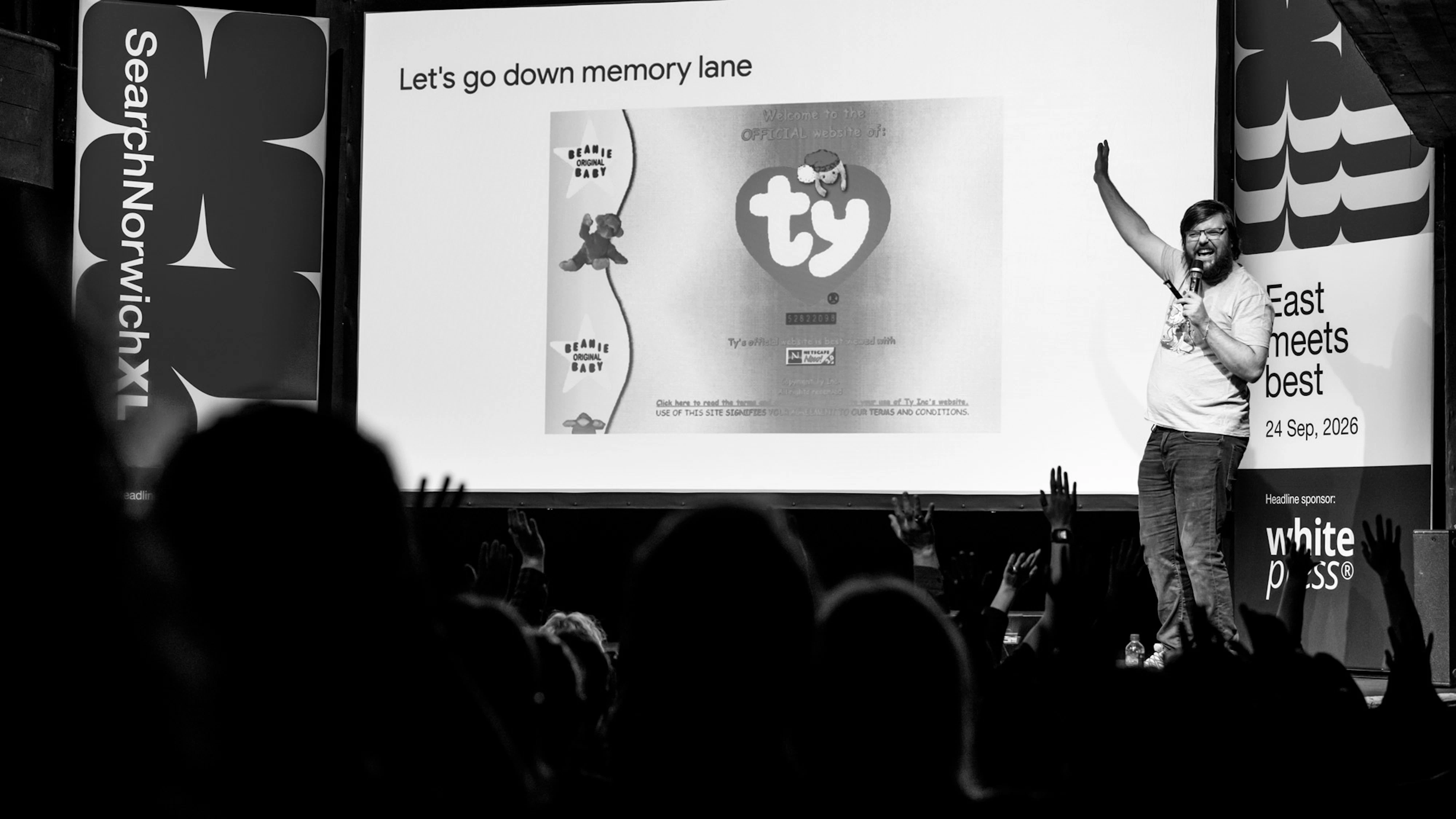
On 24 September 2026, more than 170 search marketers from 12 countries joined us at Norwich’s Maddermarket Theatre for SearchNorwichXL's first all-day SEO conference. They came for eight talks and a panel on the future of search, and left with a long list of things to check, test and fix.
Across the day, one idea came up again and again. AI is changing how people find brands, but it hasn’t changed why they choose them. Clear messaging, accurate information and useful content still decide who wins.
Here are the nine lessons we’re taking back to our clients, and what you should do about each one:
Don’t trust a single search results page
Fix what AI gets wrong about you
Being everywhere isn’t the same as being remembered
People react to your brand, not to who wrote the content
AI can see and hear your content
Google forgets pages it stops visiting
Stop testing SEO on your live site
Get ready for AI agents, but keep building for people

01
Don’t trust a single search results page
Arnout Hellemans, a freelance SEO, PPC and analytics consultant, opened the day with a challenge. We pay thousands for SEO tools, then overlook the most useful one: the search engine results page (SERP) itself.
His talk, “The SERPs hold more insights than you think”, focused on “People Also Ask” questions (PAA). This is the box of related questions Google shows in many search results, and it tells you a lot about how people view your brand.
Where PAA questions come from and how to test SERP data correctly
It is easy to assume that every PAA question reflects a live query from a user, but Google patents highlight three distinct sources:
Past user searches
Published web content
Generated question templates
Because of this, Arnout points out that PAA data is volatile. Questions and sentiment change from one location to the next, and the same query can return a very different picture on a different day.
Before you build a study on SERP data, Arnout recommends:
Using AlsoAsked to research PAA queries at scale
Running a control test: pull the same query from the same location ten minutes apart and compare the results
Asking your API or Model Context Protocol (MCP) tool for fresh, non-cached data
Checking the language of your results, as tools frequently default to US English
Re-running any market that returns no PAA data. A second pull often finds what the first missed
Using a VPN to check results in each market you care about
02
Fix what AI gets wrong about you
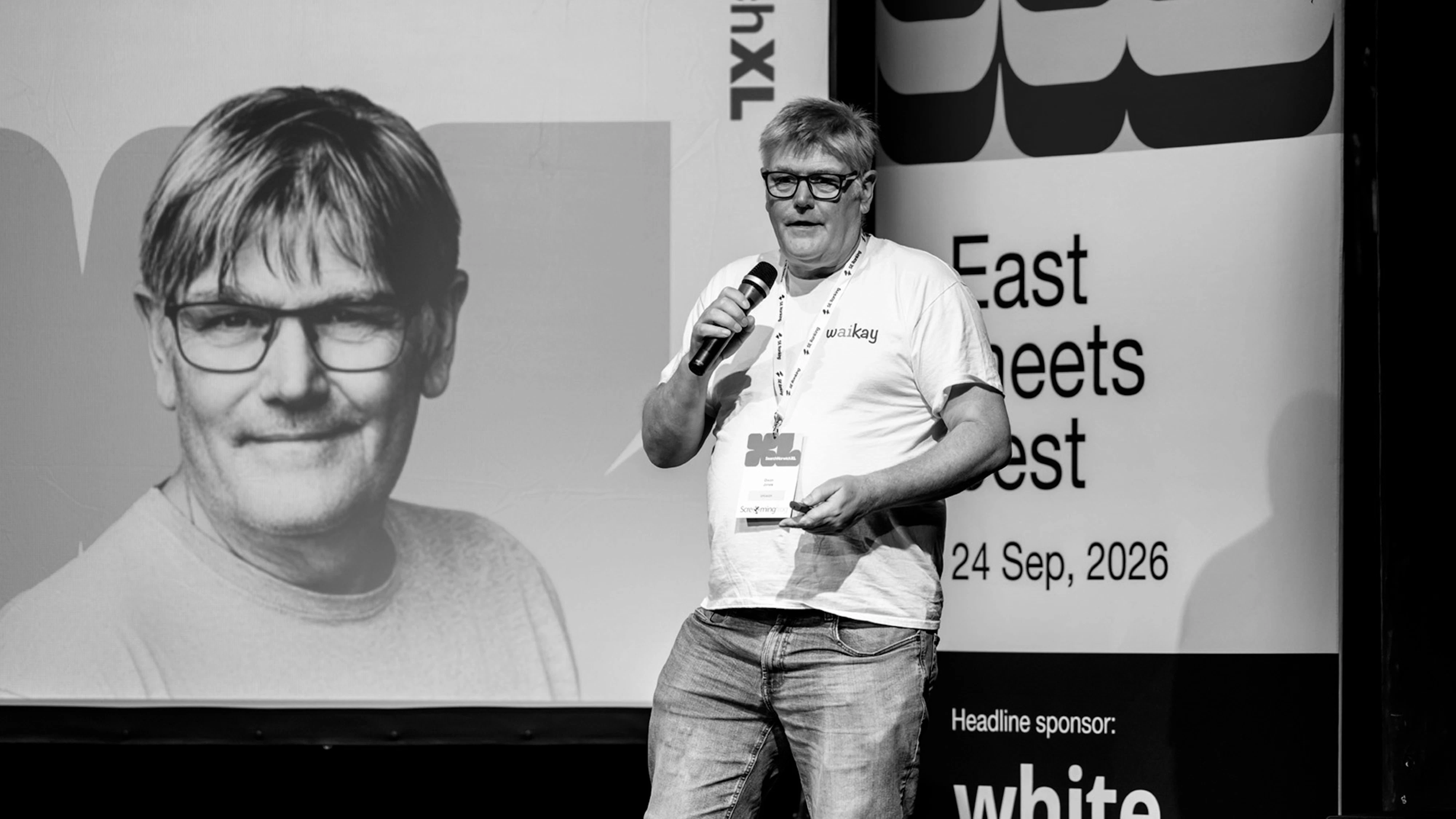
When AI answers became commonplace, most SEOs went straight to prompt tracking. In his talk, “What AI knows about you (and how to fix it)”, Dixon Jones of InLinks and WAIKAY argued that’s the wrong place to start.
Track entities, not keywords
AI phrases its answers differently every time, but the underlying concepts stay the same. Dixon calls these entities: things a neutral third party, such as Wikipedia or the Oxford English Dictionary, can define. You can’t define an entity yourself.
Sentiment tracking won’t tell you much either. AI tools lean towards being polite and positive, so facts matter more. Established brands often suffer most because old links and outdated pages feed AI incorrect information. We covered this problem in depth in our podcast episode on fighting misinformation in the AI SEO era.
Run an entity gap analysis
Dixon’s starting point is to find out what AI already knows about you. To do this:
Turn off live web search and ask a large language model (LLM) what it knows about your brand
Ask for the answer in bullet points, so errors are easy to trace back to their source
Compare the answer with the topics on your website. The gaps show you what AI is missing
Repeat the test in specific contexts, such as one of your core services, and for your competitors
Use the gaps to guide your content, internal linking and schema markup
03
Being everywhere isn’t the same as being remembered
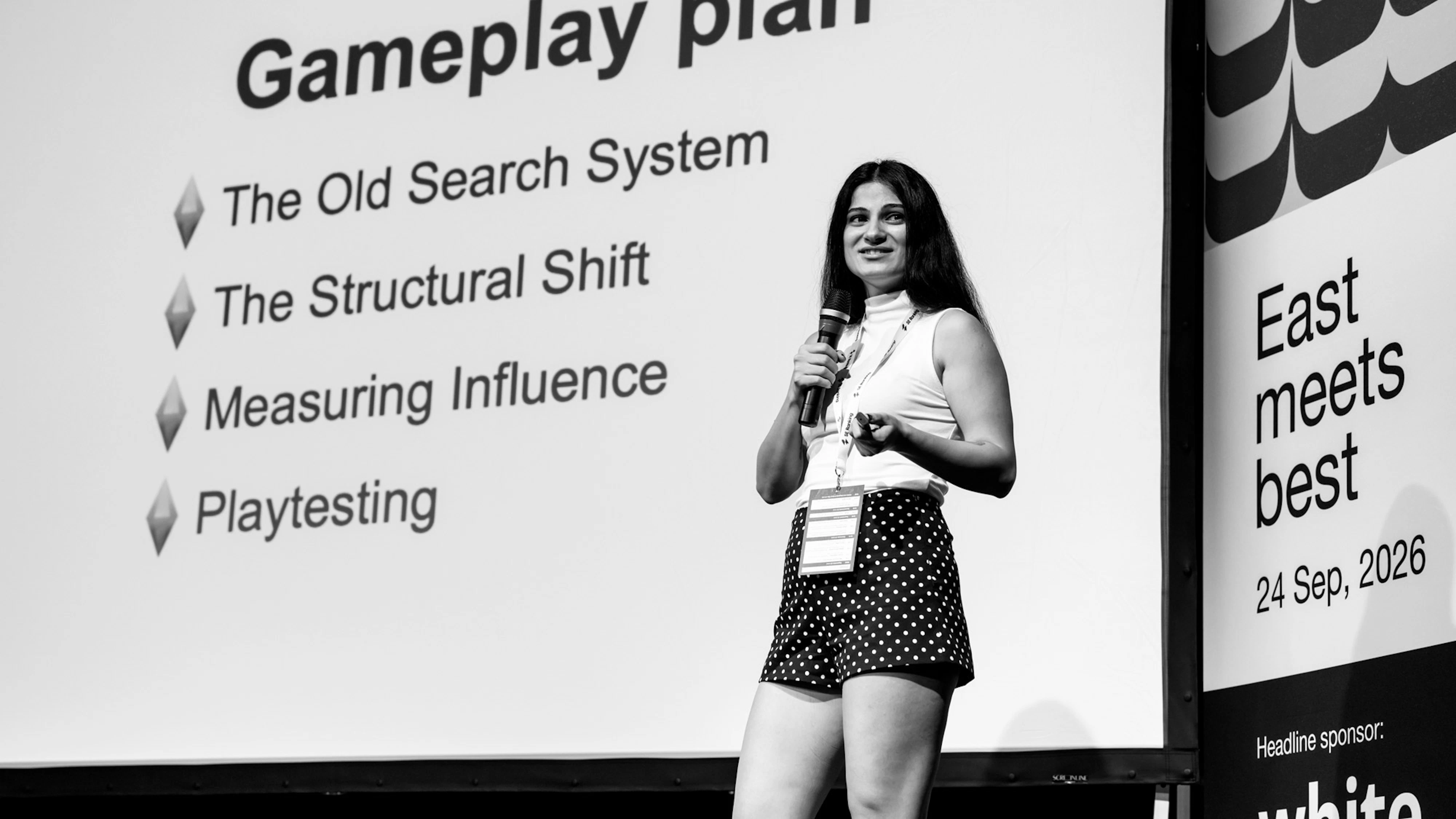
In her talk, “Multi-platform search ecosystem: When ‘everywhere’ still isn’t enough”, Bengü Sarıca Dinçer, Freelance SaaS SEO & Analytics Consultant, dismantled three assumptions many of us SEOs still work with:
High rankings guarantee visibility - they don’t, because AI personalises what each person sees
More traffic means more influence - again, not true
The channel that gets credit for a sale tells the whole story - it rarely does
Chase memorability
Online journeys aren’t linear. Users move from an AI assistant to TikTok, then to Reddit and to Google before they make a purchase. By the time they hit your website, they’ve often made up their minds. Your site has become the place that confirms their choice, not the place where persuasion starts.
That makes memorability the real goal, so customers come back to the brands they remember. Bengü’s advice is to make your brand easy for AI models to understand and summarise. Your core message should survive when AI condenses several sources into a few lines.
Bengü recommends judging performance on four signals instead:
Direction: your metrics move the right way together
Consistency: people keep recognising your brand over time
Behaviour: users show real interest and satisfaction
Specificity: you’re known for clear, specific topics or solutions
04
People react to your brand, not to who wrote the content
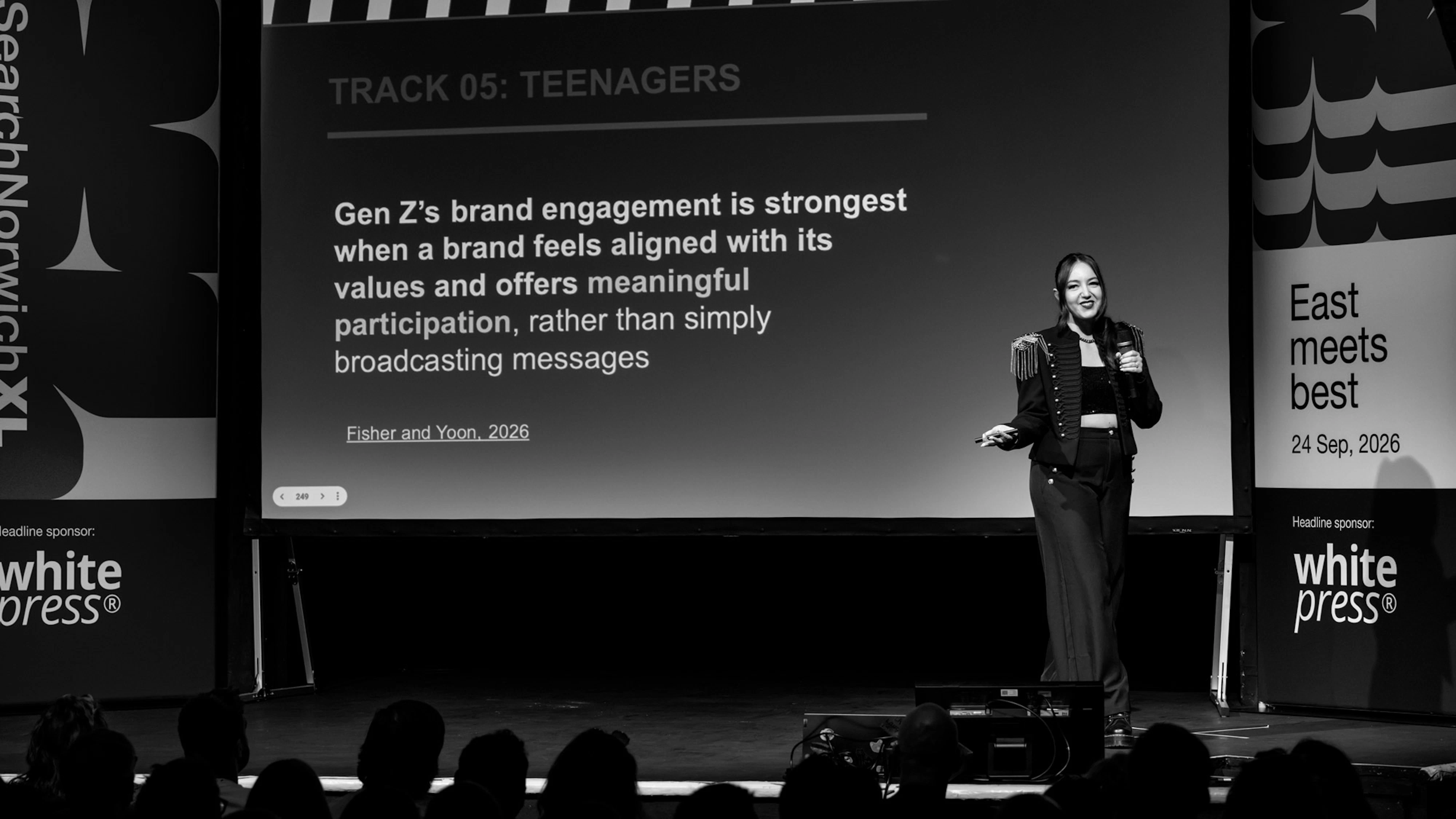
The SEO industry spends a lot of time arguing about AI-generated content. In her talk, “Beyond the query: how emotional brand signals influence clicks and conversions”, Giulia Panozzo of Neuroscientive measured how people’s nervous systems react to AI-generated and human-created content.
Giulia Panozzo, Founder at Neuroscientive“Attention is no longer the hottest commodity in marketing. Connection and memorability are.”
The result showed that brand mattered far more than the medium. How people felt about a brand drove much stronger reactions than whether the content was AI or not.
Emotions drive decisions
Giulia’s data suggests our emotional responses as humans lead us to quick decisions, such as what we click on and what we buy. People even react to known brands and packaging in a similar way to familiar faces.
Her advice for brands is to:
Identify your audience’s search queries, decision-making biases and underlying needs, going beyond demographics to understand their culture, values and expectations
Design touchpoints that build an emotional connection
Choose long-term memorability over short-term efficiency
To learn more about the relationship between SEO and brand, listen to our episode on the overlap of SEO, brand and design.
05
AI can see and hear your content
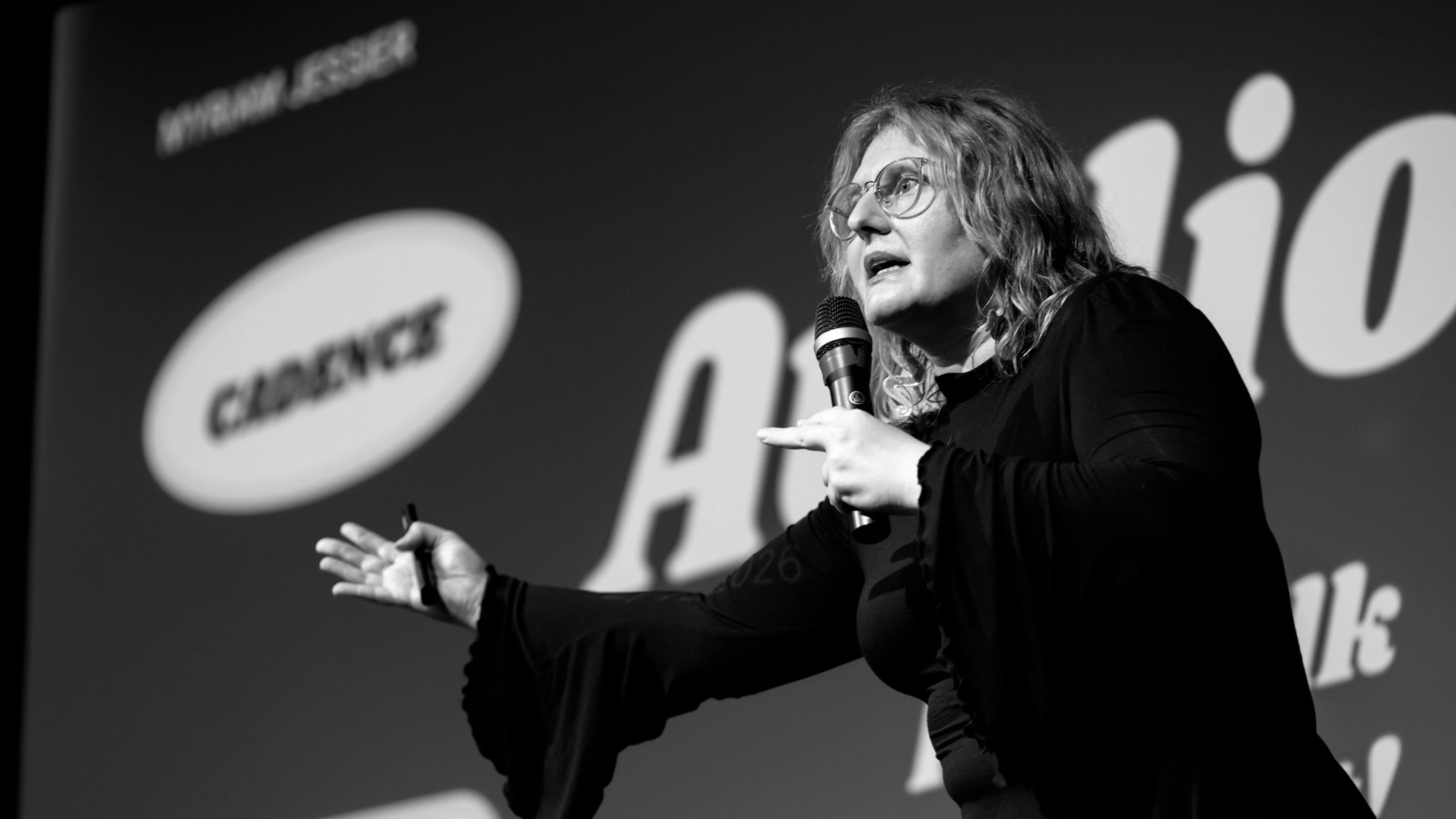
Search engines and LLMs now use video, images and audio alongside text to answer user queries. In their talk, “Don’t forget to optimise so they subscribe”, SEO and technical brand visibility consultant Myriam Jessier gave some useful tips on how to audit your website’s visuals:
Keep your product in clear view for at least three seconds, so vision models can detect it
Show scale and use, like a foot going into a slipper, or sizes side by side
Rotate products on camera, so models can map them from every angle
Say important keywords out loud, because spoken words are a main source of data when AI processes video
Use “audio bolding”, stressing key terms with tone, volume, pace and pauses
Match your tone to your facial expression, as sarcasm can cause confusion
Myriam also recommends auditing every visual twice. Firstly, can image tools clearly see the object? Secondly, does the setting fit your brand? Then track four metrics:
Ownership rate - how much of your imagery is original and branded, not stock?
Context match - do objects, expressions and settings fit your message?
Legibility rate - is it easy to read your text, packaging and logos?
Fan-out coverage – to what extent do your visuals and audio answer customer queries?
06
Google forgets pages it stops visiting
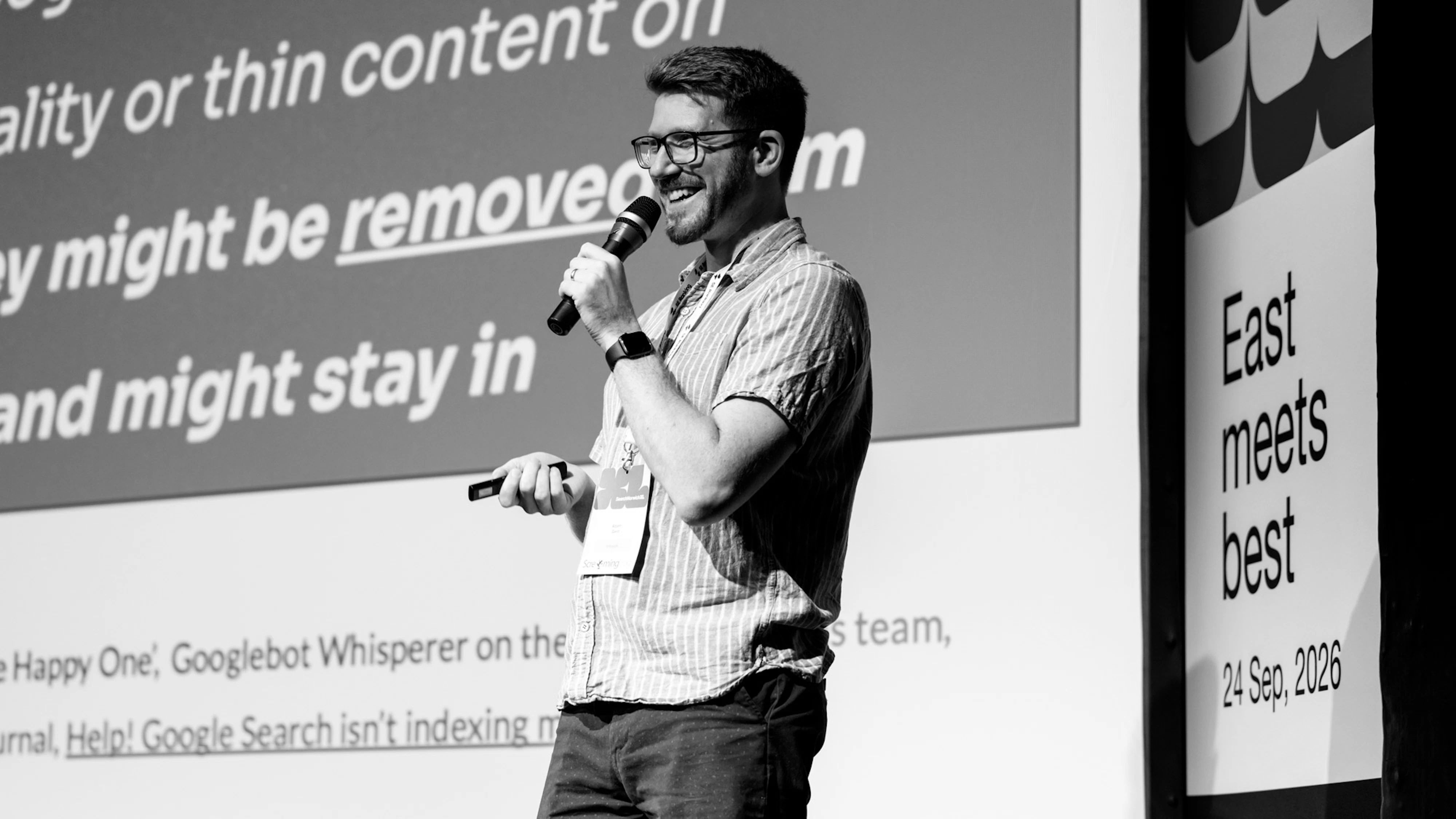
Adam Gent of Indexing Insight kicked off his talk by challenging the way many SEOs read Google Search Console. In his talk, “How Google manages its index”, he explained that “indexed” doesn’t mean Google has stored your page. It means the page is eligible to appear in search results.
Google runs two systems. The indexing pipeline crawls, fetches, analyses and stores content, and the quality management system removes pages that fall below its standards. Quality is the main reason pages drop out, ahead of technical errors or duplicate content. Google measures quality with signals such as clicks, search logs, links and user behaviour over time. Index space is limited, so the quality bar rises when space gets tight. That’s why low-engagement pages flip between “indexed” and “not indexed”.
The 130-day and 190-day thresholds
Adam presented data revealing that 99% of the time, a page not recrawled within 130 days gets removed from Google’s index. After 190 days without a crawl or enough quality signals, crawl priority drops to zero. In effect, Google forgets the page exists.
To protect your most important pages:
Check their last crawl date in Search Console
Flag any page approaching 130 days without a crawl
Strengthen those pages with internal links and more useful content, or merge them into stronger pages
Treat low demand and weak engagement as bigger threats than technical issues
07
Stop testing SEO on your live site
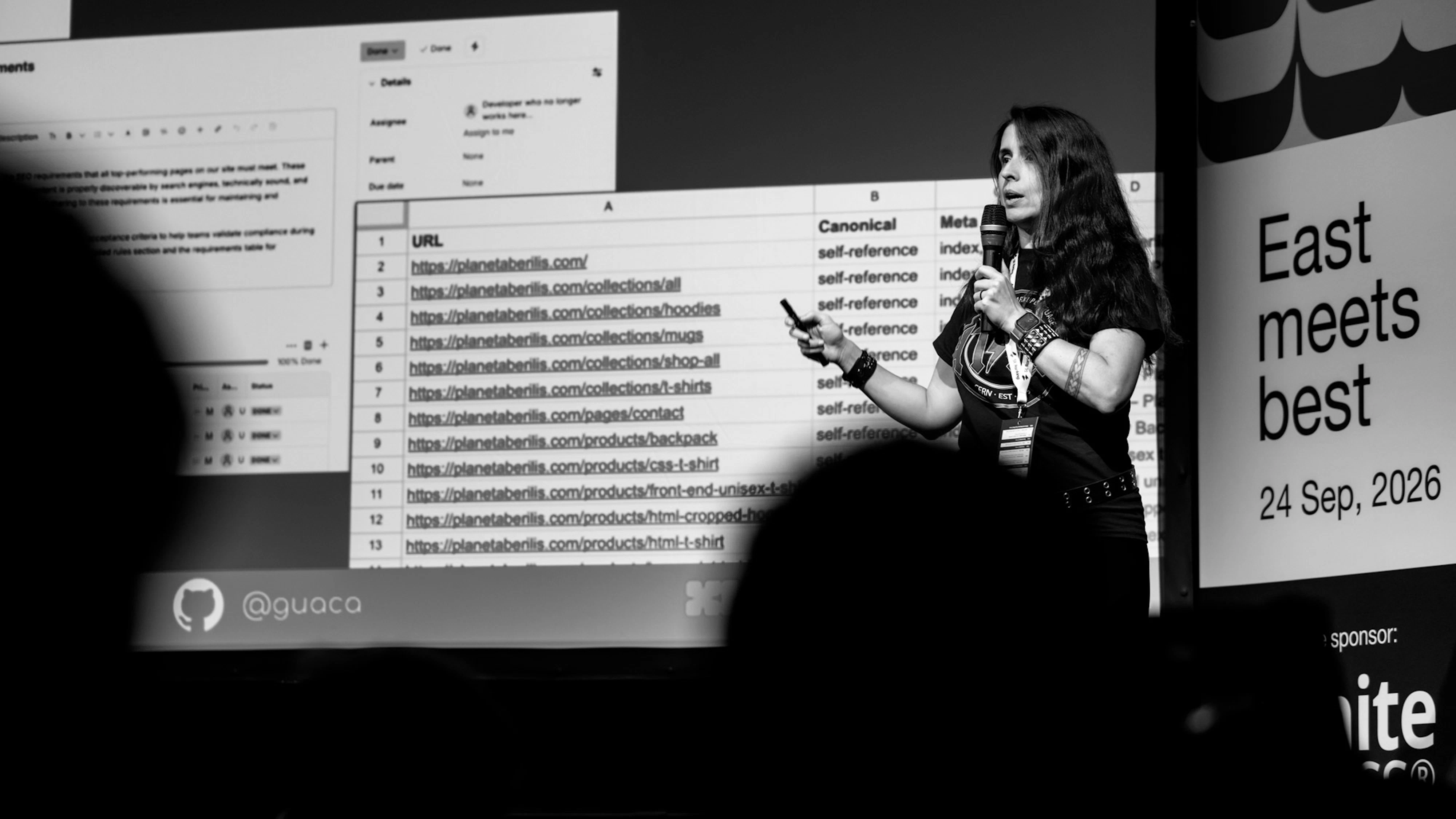
In her talk, “Catching technical SEO regressions and rendering disasters in CI for Shopify stores”, Estela Franco of Shopify called out a practice we are probably all guilty of: SEO testing on the live site post-deployment and relying on luck to catch problems.
Estela’s answer is to write your SEO requirements into a machine-readable “SEO contract”, such as a JSON file. It lists your page templates, the tags you expect and how serious each failure is. She then uses Playwright, a browser testing tool, to simulate Googlebot. She sets the user agent, viewport and robots.txt rules. By using Shopify’s GitHub app and preview themes, Estela can test unpublished code before it goes live.
To get started:
Automate the three SEO checks that would hurt your site most if they failed
Ask for read-only access to your code repository, so you can investigate without risk
Run checks on every pull request, after code merges and as scheduled health checks
Pitch it to leadership in business terms - lower risk, faster releases and fewer rollbacks
Getting developers on side can sometimes be half the battle. Our podcast episode on translating SEO problems for web designers is a good place to start.
08
Get ready for AI agents, but keep building for people
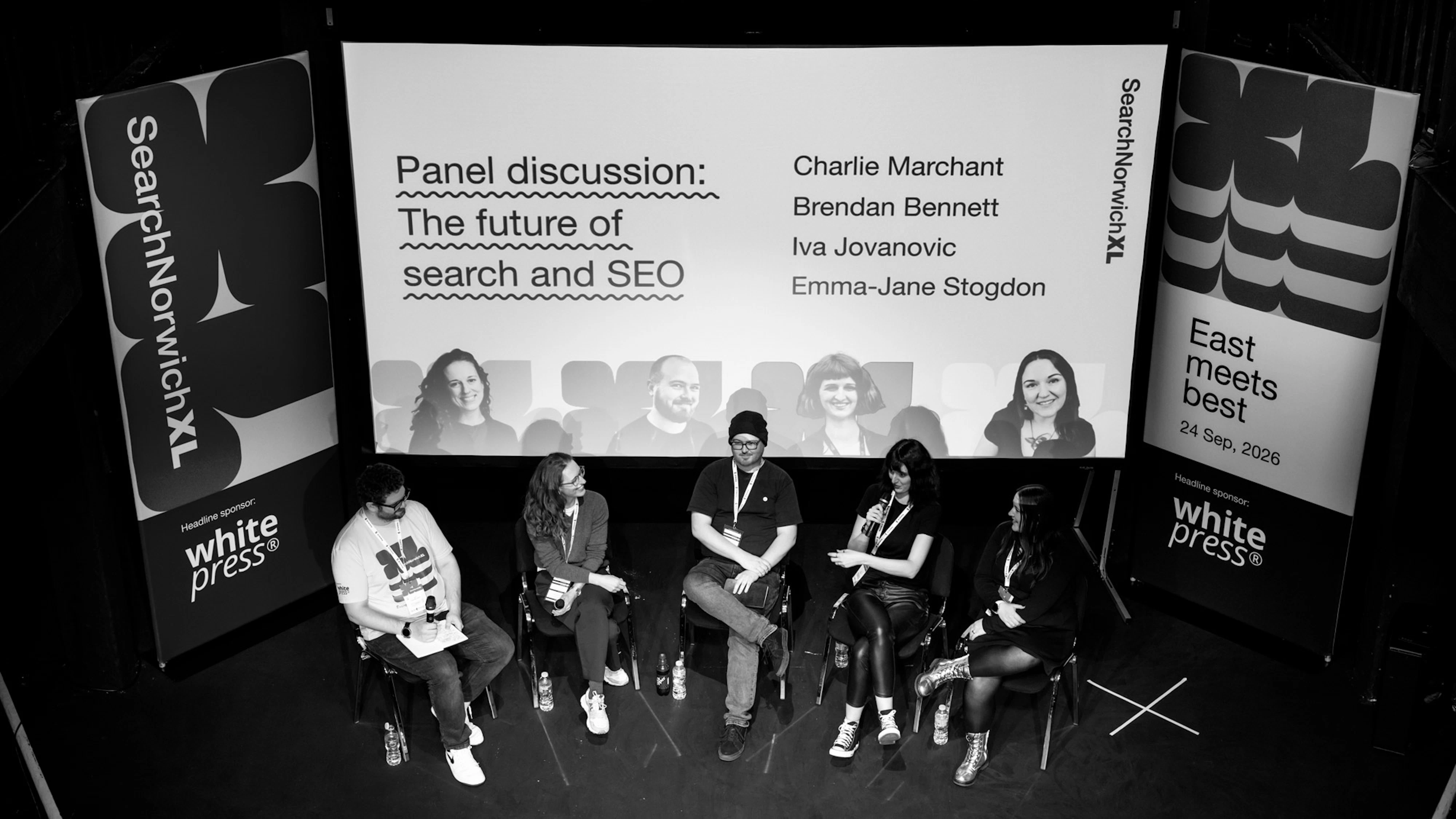
After a delicious lunch from The Feed, I hosted an expert panel covering “The future of search and SEO”. Our own principal SEO consultant, Brendan Bennett, joined Iva Jovanovic (content marketing and SEO consultant), Charlie Marchant (Exposure Ninja) and Emma-Jane Stogdon (Wise). They discussed where SEO and search are now and what may change in the next three years.
The key takeaway from the panel was that human visitors still matter, so don’t design them out of your website. The SEO basics, such as site architecture, navigation and well-structured code, are what let AI agents read your website, but also give human visitors clear paths to decide and act.
Brendan Bennett, Principal SEO Consultant at Candour“So much of what you need to do is no different to what you're doing now: making your website and code clear, understandable and legible to the different machines and frameworks browsing it.”
Brendan says site structure and navigation remain as important as ever and doesn’t expect much to change in terms of needing good content, messaging and consistency. He adds: "From my understanding of how agents are being developed, a lot of them will be visual, trying to mimic the user experience.”
Measure what your business cares about
The panel then turned to measurement, and how clicks and impressions are less reliable now. While Google Search Console and GA4 are adding AI referral data, until this data improves, the panel recommends tracking:
Growth in branded searches
Server and crawl logs - how is AI interacting with your server and your website?
Your customers’ answers to “how did you hear about us?”
Stop mass-producing content
The panel agreed that reputation lives beyond your website. AI pulls answers from video platforms and, as Charlie Marchant, CEO at Exposure Ninja, explains, there has been a generational shift in how we consume content: "Since Google owns YouTube, we're seeing many more videos coming into Google's search results. Younger generations much prefer watching video results, and they're more likely to start their searches on YouTube, TikTok or another video-based platform."
To future-proof your brand, the panel recommends:
Finding the sources AI tools cite most often in your sector, then earning mentions there
Making your site fast, clean and easy for AI bots and screen readers to read
Investing in people and human messaging, not just automation
Our guide on what you need to know before investing in digital PR explains where to begin with earning those mentions.
09
The best SEO strategy is a better website
Google’s Martin Splitt closed the day with his keynote, “In search for a better web”. He spoke about the web not as a Googler, but as a user.
The internet has become harder to use
Martin explained that even though older websites may look dated and unappealing, they at least have clear navigation and get to the point. He called out many modern sites that bury their content under irritating newsletter pop-ups and consent banners.
He also spoke about ownership. Having a social media presence is great, and it can be tempting to concentrate on hosting all your content there, but social platforms can change their rules or delete your account overnight. Your own website gives you full control over your content and your audience.
Martin Splitt, Developer Relations Engineer at Google“Put it on your website. Why? Because if Instagram, Facebook or Google+ doesn't like you anymore, they might delete it. You're on their property.”
Martin’s principles for a better web
Be genuine - express your brand’s true self rather than projecting a manufactured image or attempting to game search engines or AI agents
Know your audience - create content specifically tailored for the people you are passionate about reaching
Be different - avoid following mainstream industry trends. Instead, focus on quality over sheer volume
If you enjoyed Martin’s talk, listen to his earlier SearchNorwich highlights on our podcast.

What’s next?
Thank you to every speaker, attendee and our dedicated team for making the first SearchNorwichXL such a brilliant event. Thank you as well to our sponsors: WhitePress, Peec AI, SE Ranking, Screaming Frog and AlsoAsked.
It’s not official yet, but we’re already excited and planning for 2027. Keep an eye on searchnorwich.org and follow SearchNorwichXL on LinkedIn for updates.